
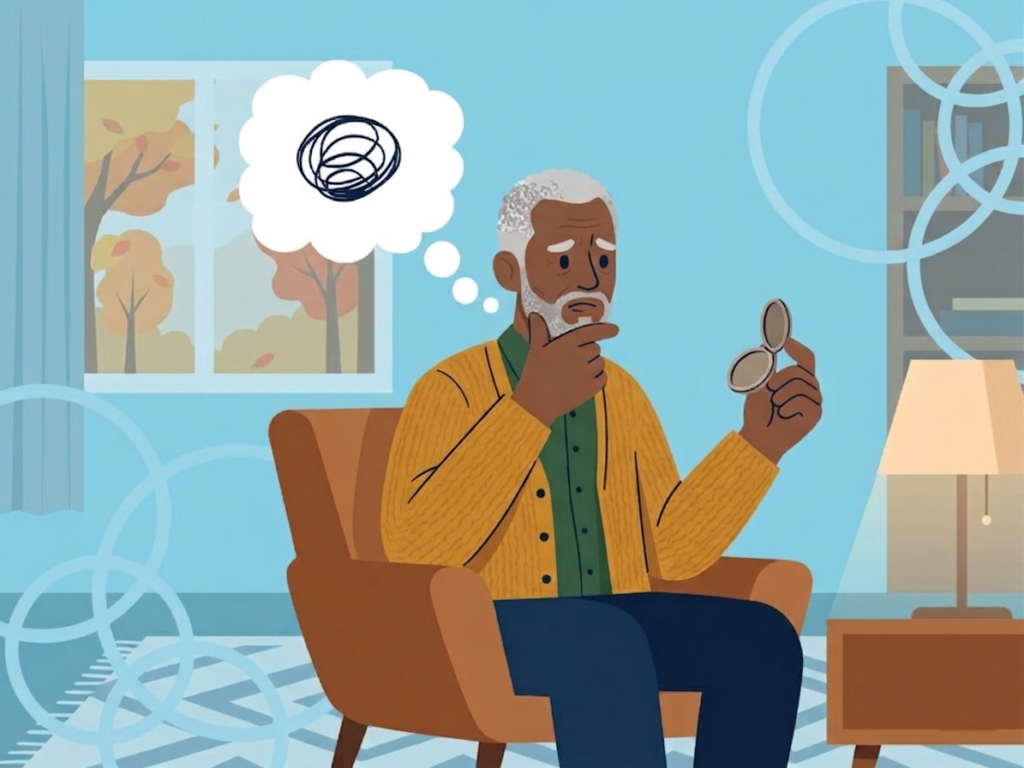
It’s never the same, but it is.
There are at least a thousand blogs about Alzheimer’s and dementia caregiving. I already know that. But they’re not me. They haven’t sat where I’m sitting. They haven’t seen what I’ve seen — not exactly, not from this angle.
This isn’t a blog to vent. I’m not here to unload. I’m here to share what I’ve learned, what I’m still learning, and what I wish someone had told me the first time around.
This time it’s my father-in-law.
That changes everything.
When it’s your own parent, you’re deep in it — the grief, the guilt, the memories of who they used to be all tangled up with who they are right now. But when it’s your father-in-law, you’re standing in a strange in-between. Close enough to care. Far enough to see.
And what I see is something his three children cannot: reality.
He is their dad. The once-great man who could do no wrong. The one who fixed everything, knew everything, handled everything. And now he can’t. But they’re still looking at him through the eyes of the kids they used to be — hoping, waiting, believing that maybe today will be the day he snaps back.
Maybe he will.
Who knows.
So I bite my tongue. Because I’m the in-law. Because pushing too hard will push them away. Because sometimes the most helpful thing you can do is let people arrive at the truth on their own schedule — even when it’s agonizing to watch.
Sit with that for a moment.

That’s what this blog is about. Not medical advice. Not a how-to guide. Just one person’s notes from the front lines — the
third tour — with a perspective that comes from loving someone enough to stay quiet when every part of you wants to scream the truth.
If you’re in this, you’re not alone. And if you’re about to be — pull up a chair.
More to come.